Protecting Against Business Scams

By Carlos Barboza
] As fraud expert Frank Abagnale once said: “The greatest threat to security is convenience.” When businesses prioritize speed over verification, scams thrive.
Most business owners worry about supply chains, competitors, or payroll. Yet the biggest dangers today are the ones you cannot see: scams, phishing emails, and cyberattacks.
Unlike storms or market crashes, digital threats don’t come with warning signs—they strike silently, often when leaders are busiest.
I know this firsthand. My business was hacked, and the experience was more than frustrating—it was eye-opening. Sensitive accounts were compromised, personal data was exposed, and systems had to be rebuilt from the ground up. What I learned was clear: cybersecurity is not optional;
it’s survival.
Why Entrepreneurs are Prime Targets
Small and medium businesses, especially in industries like recycling and auto parts, are attractive targets for scammers.
Here’s why:
1. High Transaction Volume. Frequent purchases, payments, and sales create opportunities for fraudulent invoices.
2. Busy Leaders. Owners rarely have time to verify every link or email.
3. Trust Culture. Long-standing relationships with suppliers mean a forged email can slip through undetected.
4. Lack of Training. Employees aren’t usually trained in cybersecurity basics, making them vulnerable.
As fraud expert Frank Abagnale once said: “The greatest threat to security is convenience.” When businesses prioritize speed over verification, scams thrive.
The Most Common Business Scams
You don’t need Hollywood-level hacking to bring down a business. Most scams are simple and psychological.
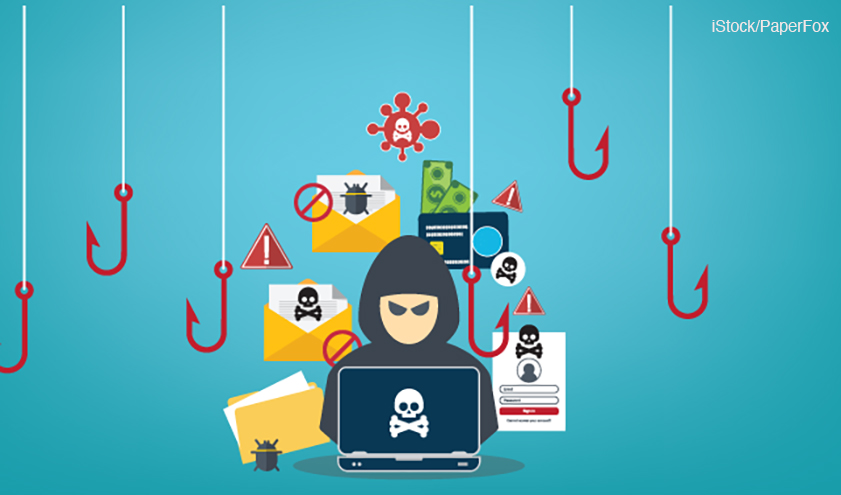
1. Phishing Emails. Fake emails disguised as banks, suppliers, or even government agencies.
2. Fake Invoices. Professional-looking bills that a busy accountant might pay without double-checking.
3. CEO Fraud. Emails impersonating the business owner asking for urgent wire transfers.
4. Tech Support Scams. Fraudulent calls offering “remote support” to gain access.
5. Ransomware. Malicious software that locks data and demands payment for release.
Scammers don’t succeed because they are sophisticated. They succeed because they exploit human psychology:
1. Urgency: “Pay now or lose access.”
2. Authority: Pretending to be a CEO or government agent.
3. Fear: Threats of suspension or legal action.
4. Greed: “Click here for your prize.”
As Nobel laureate Daniel Kahneman explained in Thinking, Fast and Slow, humans default to quick, intuitive thinking under pressure. Scammers know this and craft messages to trigger knee-jerk reactions.
Lessons from My Hack
When my own accounts were compromised, I realized three painful truths:
• I had reused the same passwords across multiple services.
• I had not activated multi-factor authentication on all critical systems.
• I underestimated how fast criminals exploit even tiny openings.
The recovery process took weeks and drained energy I could have invested in growth. But it reshaped how I approach security: today, digital protection is as important as financial review or staff training.
Practical Steps for Business Protection
1. Strong Passwords + Password Managers. Each account should have a unique, complex password. Tools like 1Password or LastPass make this manageable.
2. Multi-Factor Authentication (MFA). Enable MFA on banking, email, payroll, and CRM systems. A stolen password without a verification code is worthless.
3. Change Passwords Regularly. Don’t wait for a breach. Update passwords every 90 days. This minimizes risk even if one credential is leaked.
4. Train Your Team. Employees are the first line of defense. Teach them to spot phishing emails, verify unusual requests, and report red flags immediately.
5. Verify Payments with Dual Approval. For large transactions, require a second sign-off and a quick phone call to confirm. A two-minute check can prevent a six-figure loss.
6. Backups and Updates. Schedule regular data backups and apply software updates promptly. Ransomware is powerless if you can restore clean files.
7. Limit Access. Follow the principle of “least privilege.” Not every employee needs access to payroll or bank accounts.
8. Monitor Privacy Risks. Scams don’t just target the business; they invade personal life. Separate work and personal email accounts, avoid oversharing online, and review privacy settings on devices and platforms.
The U.S. Federal Trade Commission reports billions lost annually to business scams. But money is only part of the damage. Trust—both customer and employee trust—is far harder to rebuild.
In my case, restoring credibility took longer than fixing servers. People want to know: can I trust this business with my data, payments, or personal information? That question determines long-term loyalty.
Coaches remind us that prevention is not about paranoia; it’s about discipline. Ask yourself and your team:
• Do we treat cybersecurity with the same seriousness as payroll or taxes?
• Do we have written protocols for verifying payments?
• Does every employee know what a phishing email looks like?
Just like financial discipline compounds wealth, cyber discipline compounds resilience.
You may also apply the “Pause Protocol,” which is adopting a one-minute rule before acting on any digital request. Pause and ask three questions:
• Do I recognize the sender or source?
• Is the request unusual or overly urgent?
• Can I verify it through another channel (e.g., phone call)?
That 60-second pause creates space for rational thinking and stops scammers in their tracks. Remember, protection is not fear; it is foresight.
Scams are not a sign of weakness; they are a reality of the digital economy. Leaders who take cybersecurity seriously build businesses that are not just profitable, but unbreakable.
By enforcing smart habits, unique passwords, regular updates, dual approvals, and training—we replace fear with control.
The seas of modern business will never be smooth. But with discipline, vigilance, and wisdom, entrepreneurs can navigate the storms and keep both their businesses and personal lives secure. Be safe!

Carlos Barboza is the owner of Eco Green Auto Parts, Orlando, FL. Their website is https://ecogautoparts.com and they can be found on Facebook @ecogreenautoparts.