Best Practices for the Modern Recycler
By: Andy Latham

Well-designed bays avoid confined spaces, relying on effective ventilation or targeted extraction systems that disperse heat and fumes should a battery enter thermal distress.
As electric and hybrid vehicle volumes grow, forward-thinking recyclers are redesigning their facilities to safely and efficiently process high-voltage machines. Setting up a dedicated EV dismantling bay isn’t just good practice—it’s becoming essential. With the right layout, tools, and protocols, recyclers can protect staff, recover more value, and stay ahead of regulatory pressures.
A Dedicated Space for High-Voltage Work
The first rule of EV dismantling is simple: isolation.
Leading facilities now designate a controlled, clearly marked area exclusively for electric vehicles. Access is restricted to trained staff—typically those with Level 3 or higher high-voltage competency. Bright, unmistakable signage alerts workers to the hazards, while floor markings guide safe movement and define the working envelope around the vehicle.
This separation not only prevents accidental exposure to high-voltage components but also creates a professional environment that supports safe workflow.
Modern EVs Introduce Unique Risks—Especially Their lithium-ion batteries
Well-designed bays avoid confined spaces, relying on effective ventilation or targeted extraction systems that disperse heat and fumes should a battery enter thermal distress. The environment must also remain dry, uncluttered, and temperature-stable—conditions that reduce hazards while making technicians’ work easier and more consistent.
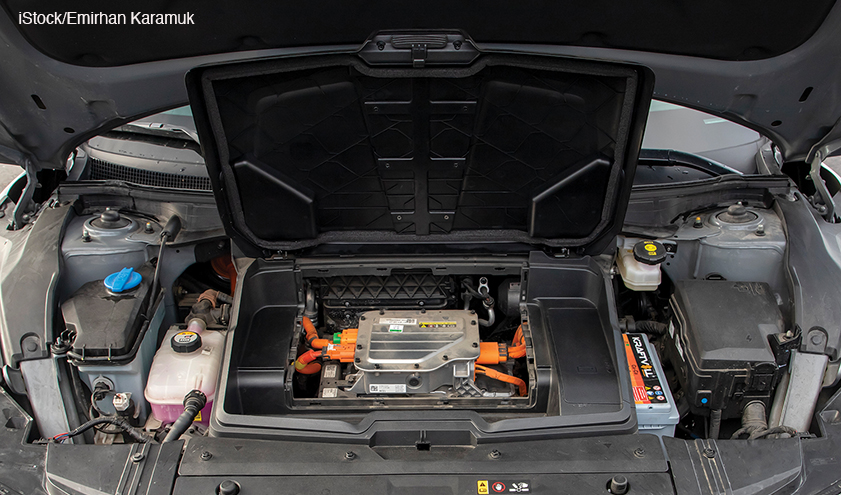
A well-organized bay gives technicians room to work. Vehicles should be placed so all sides are accessible, with non-conductive flooring where practical. Clear access to the 12V system, service connectors, isolation points, HV Battery, and charge ports ensures technicians can quickly secure the vehicle before dismantling begins.
Every EV dismantling bay needs its own toolkit: 1000V-rated insulated tools, electrical test equipment, class-appropriate PPE, and high-voltage gloves. Keeping these tools in a dedicated, locked cabinet prevents misuse and maintains a professional standard.
Fire safety is being redefined in the age of EV recycling: Lithium-ion fire blankets sized for vehicles, traditional extinguishers, and readily accessible water supplies form the core of a modern safety setup. Many operators now supplement this with infrared cameras to spot battery hot spots early. A single emergency stop switch that kills power to the bay rounds out the critical safety infrastructure. Clear, visible emergency procedures remind staff what to do when seconds matter.
EV Batteries Demand Their Own Secure Area, Once Removed
This storage zone should be cool, ventilated, and physically separated. Undamaged batteries sit on insulated pallets or shelves, while suspect or compromised units are housed in fire-resistant containers. Temperature monitoring, appropriate spacing, and clear labeling help minimize risks and support simple, repeatable inspection routines.
Top-tier recyclers rely on robust Standard Operating Procedures: They guide every step of the dismantling process—from initial identification through isolation, testing, removal, and storage. Laminated posters in the bay help ensure consistency and reduce the chance of shortcuts. These clear procedures also help new technicians learn faster and make operations easier to audit or certify.
Modern dismantling bays are increasingly digital: Tablets or wall-mounted monitors provide quick access to OEM emergency response guides and high-voltage component diagrams. This reduces guesswork and ensures that technicians proceed based on accurate, manufacturer-approved information.
The best EV bays maintain order: Dedicated benches for high-voltage components, shelves divided into “safe parts” and “quarantine,” and tool shadow boards help technicians work methodically. Some facilities incorporate barcode or RFID tracking to simplify part identification and inventory control. The result: smoother workflows, fewer errors, and a more professional operation.
As regulations evolve, recyclers must stay ahead of requirements: These are for hazardous waste handling, fire protection, environmental management, and high-voltage safety. A properly designed EV bay makes compliance easier, improves insurer confidence, and protects long-term business viability.
Setting up a dedicated EV dismantling bay requires investment, planning, and a clear understanding of modern risks. But the payoff is enormous: safer staff, smoother operations, fewer incidents, and a facility ready for the accelerating shift toward electric mobility.
Salvage Wire can assist all vehicle dismantlers and recyclers in building their processes, equipping their shops, and training their staff. Recyclers who embrace these best practices aren’t just keeping up—they’re leading the charge.

Andy Latham is Managing Director of Salvage Wire. His desire is to highlight the professionalism in the vehicle recycling industry, increase knowledge and understanding, and keep everyone safe, ethical and profitable. Book your complimentary one-hour consultation today at www.salvageinsight.co.uk.