By Carlos Barboza

“You have power over your mind, not outside events. Realize this, and you will find strength.” — Marcus Aurelius
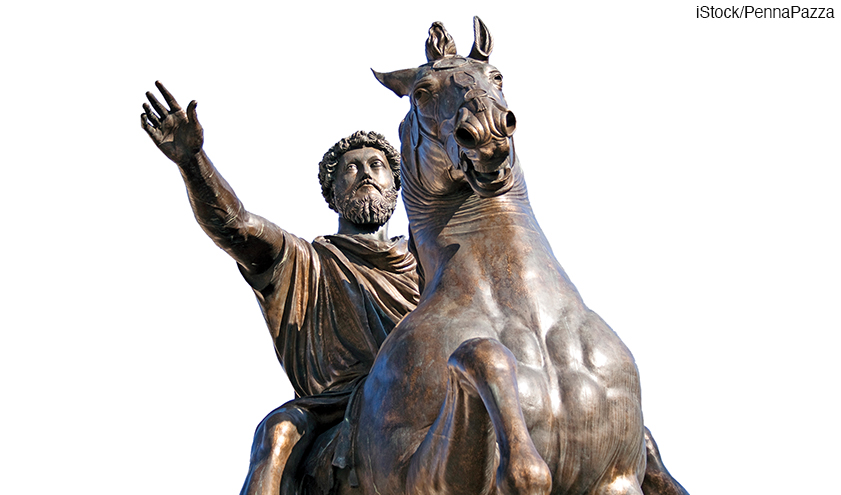
In an age of AI, smartphones, and 24/7 markets, it may seem strange to look for guidance from philosophers who lived 2,000 years ago. Yet the principles of Stoicism, practiced by leaders like Marcus Aurelius, Epictetus, and Seneca, remain timeless. They teach resilience, discipline, and clarity in the face of chaos.
For entrepreneurs, especially in industries that demand constant problem-solving, like automotive recycling or logistics, Stoic philosophy offers a practical playbook for leadership. Technology may change, but human emotions—fear, anger, uncertainty—remain the same. And that is exactly where Stoicism provides its greatest value.
The Core of Stoicism
At its heart, Stoicism teaches one central truth: we cannot control events, only our response to them. Markets crash, machines break, employees quit—these are beyond our control. But we can control our actions, thoughts, and decisions.
Epictetus put it simply: “It’s not what happens to you, but how you react to it that matters.”
For a business owner, this principle is revolutionary. It shifts energy away from blame or panic and toward constructive action.
Stoic Lessons for Leaders
- Control the Controllables. A Stoic leader focuses on effort, not outcomes. Instead of stressing over competitor moves, they ask: What can I do today that aligns with my values and goals?
- Practice Negative Visualization. Seneca encouraged imagining the worst-case scenario—not to create fear, but to build resilience. When leaders mentally rehearse challenges (such as losing a major client or facing a cash crunch), they are less shocked and better prepared when adversity strikes.
- Embrace Discomfort. Marcus Aurelius ruled during plagues and wars. He reminded himself: “The impediment to action advances action. What stands in the way becomes the way.” Leaders who embrace obstacles as opportunities for growth develop grit that competitors lack.
- Daily Reflection. Stoics practiced journaling—writing each day about what they did well and what they failed at. This self-audit creates humility and continuous improvement. Modern leaders can do the same with a five-minute reflection each evening.
Why Stoicism Fits Modern Business
Today’s entrepreneurs live in a constant noise environment: emails, social media, and market volatility. Stoicism cuts through the noise by grounding leaders in what truly matters: clarity, virtue, and disciplined action.
Ryan Holiday’s bestselling book The Obstacle Is the Way has introduced Stoicism to CEOs, athletes, and creatives alike. He argues that success is not about avoiding obstacles but transforming them into fuel.
Who are these two characters you identify with?
• The Reactive Owner: A yard operator panicked every time scrap prices fell. He slashed payroll, cut marketing, and froze operations. Employees felt unstable, morale dropped, and the company spiraled.
• The Stoic Leader: Another owner faced the same price drops but applied Stoic calm. He accepted what he could not control (market prices) and doubled down on what he could (efficiency, customer service). His team trusted his steadiness, and his business grew even in downturns.
The difference wasn’t strategy, it was mindset.
Stoic Practices for Entrepreneurs
- Morning Reminder. Begin the day with one Stoic phrase. Example: “I control only my choices.”
- Evening Reflection. Journal one success, one failure, one lesson.
- Pause Before Reacting. When anger or fear rises, count to ten and breathe before responding.
- Memento Mori. Remember mortality. It sharpens priorities and keeps leaders humble.
- Gratitude Exercise. Seneca advised appreciating what you have as if it might be gone tomorrow. Gratitude reduces envy and boosts resilience.
Stoicism and Mental Health
Stress and burnout are rampant among entrepreneurs. Stoicism offers relief by teaching acceptance. When leaders stop fighting uncontrollable realities, anxiety decreases.
As Seneca wrote: “We suffer more often in imagination than in reality.” Much of stress comes not from events themselves, but from our exaggerated fears about them.
This philosophy doesn’t remove stressors; it reframes them, giving leaders peace of mind.
Consequently, coaching programs are increasingly drawing on Stoic tools to help leaders.
For example:
• Reframing Setbacks: Coaches encourage leaders to treat every failure as a learning opportunity.
• Journaling: Writing daily reflections builds accountability.
• Control Mapping: In sessions, leaders list everything that worries them, then divide it into “within control” and “beyond control.”
These practices create leaders who are less reactive, more intentional, and ultimately more respected by their teams.
Wisdom from Philosophy and History
Stoicism doesn’t exist in isolation; it overlaps with many modern thinkers:
• Marcus Aurelius: “If it is not right, do not do it. If it is not true, do not say it.”
• Seneca: “Difficulties strengthen the mind, as labor does the body.”
• Napoleon Hill, author of Think and Grow Rich, echoed Stoic perseverance by teaching that definiteness of purpose is the first step to wealth.
• Benjamin Graham, in The Intelligent Investor, reminded us of the importance of temperament over brilliance—another Stoic principle of emotional control.
These voices, separated by centuries, all converge on one truth: inner mastery is the greatest edge.
The Cybersecurity Analogy
I learned this the hard way when my business was hacked. The technical side was stressful, but the hardest decision wasn’t resetting servers; it was admitting vulnerability and taking bold steps to rebuild security.
The Stoic lesson was clear: I couldn’t control the fact that the hack happened, but I could control my response. Instead of panic, I chose disciplined rebuilding. Today, our systems are stronger than ever.
In summary, Stoicism is not only about ancient history, but it is also about modern leadership in its purest form. In a chaotic world, leaders who remain calm, disciplined, and focused become anchors for their teams. Marcus Aurelius said, “The obstacle is the way.”
By embracing Stoic wisdom, today’s business owners can lead not just with strategy, but with strength of character, the most enduring competitive advantage. Blessings.

Carlos Barboza is the owner of Eco Green Auto Parts, Orlando, FL. Their website is https://ecogautoparts.com and they can be found on Facebook @ecogreenautoparts.