Certification and Compliance
BY Sue Schauls

For many auto recyclers, certification is often viewed as a regulatory requirement or an environmental initiative. In reality, the Certified Automotive Recycler (CAR) program is much more than a compliance checklist—it is a blueprint for operating a more organized, efficient, profitable, and professional recycling facility.
The Automotive Recyclers Association (ARA) developed the Certified Automotive Recycler (CAR) program to establish consistent business standards throughout the industry. While the program ensures compliance with environmental and safety regulations, the greatest benefit is often the operational efficiency that results from implementing those standards.
Efficiency Begins with Standards
Every efficient business relies on systems. The CAR program provides those systems by establishing best practices for general business operations, environmental management, occupational safety and health, licensing and regulatory compliance, and documentation and recordkeeping.
Rather than reacting to inspections or solving problems after they occur, certified facilities develop procedures that make daily operations smoother and more predictable. Employees know what is expected, managers spend less time addressing avoidable issues, and the business is better positioned for growth.
Using Productivity to Drive Compliance
Certification encourages recyclers to understand the numbers that define their operation.
Track key performance indicators such as:
• Average number of vehicles processed each month
• Number of dismantling bays
• Number of employees
This effort does more than measure productivity. These metrics also determine which regulations apply to the business.
For example, vehicle processing volume directly impacts:
• Fluid storage capacity
• Waste generation rates
• Hazardous waste classifications
• Oil storage requirements
• Disposal scheduling
Likewise, employee count influences OSHA training, recordkeeping, and reporting requirements. Understanding these operational indicators allows managers to anticipate compliance obligations rather than reacting to them, reducing costly surprises and improving workflow.
Organized Environmental Management Saves Time and Money
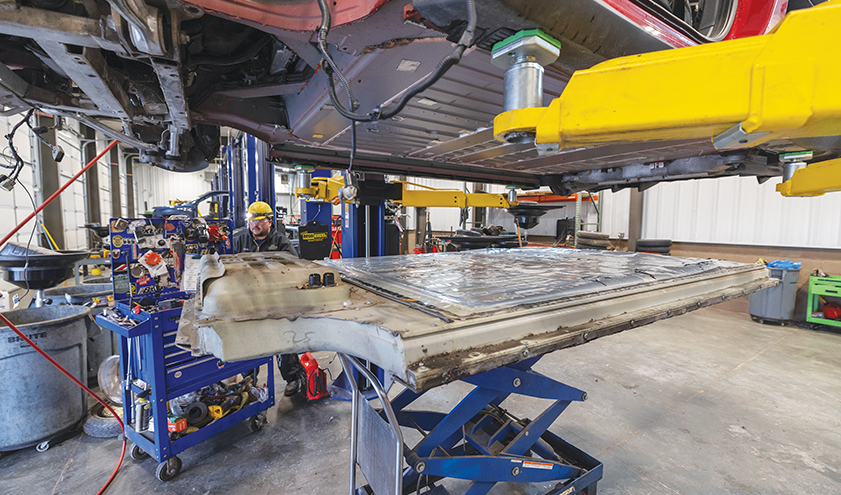
Environmental compliance is often viewed as an expense, but well-managed facilities quickly discover that organized environmental practices improve efficiency throughout the yard.
CAR standards provide guidance for:
• Fluid evacuation and storage
• Used oil management
• Hazardous waste handling
• Battery recycling
• Refrigerant recovery
• Mercury switch removal
• Parts cleaning operations
• Vehicle and core storage
• Stormwater management
Many automotive recycling wastes—including used oil, transmission fluid, brake fluid, lead-acid batteries, fluorescent lamps, mercury switches, and refrigerants—are exempt from hazardous waste regulations when properly recycled.
Having documented procedures ensures these materials are handled correctly the first time, minimizing spills, reducing disposal costs, avoiding regulatory violations, and protecting valuable inventory.
Spill Prevention Protects Productivity
Oil storage is a normal part of automotive recycling. Facilities with 1,320 gallons or more of oil storage capacity must maintain a Spill Prevention, Control and Countermeasure (SPCC) Plan. Fortunately, many facilities storing less than 10,000 gallons can prepare their own written SPCC plans.
An effective spill prevention program does more than satisfy EPA requirements. It minimizes downtime, reduces cleanup expenses, protects equipment, and keeps employees focused on production instead of emergency response.
Stormwater Compliance Prevents Costly Interruptions
Stormwater regulations remain one of the most common areas where automotive recyclers receive regulatory inspections. Most facilities require a stormwater permit, along with a Stormwater Pollution Prevention Plan (SWPPP), routine inspections, employee training, and, in many states, water sampling. Facilities that build stormwater management into their routine operations spend less time preparing for inspections and far less money correcting preventable problems.
Efficient Parts Cleaning Operations
Parts cleaning is another area where good procedures improve both compliance and productivity. Outdoor washing with surface discharge is prohibited under stormwater regulations.
Facilities connected to municipal sewer systems generally have more disposal options, while facilities operating on septic systems must carefully manage wastewater.
Establishing approved cleaning methods and wastewater handling procedures eliminates confusion, keeps employees productive, and avoids expensive environmental violations.
Safety is Operational Efficiency
Every workplace injury costs time, money, and productivity. The CAR program emphasizes developing a strong safety culture through OSHA-compliant Hazard Communication programs, including:
• Written Hazard Communication Plan
• Safety Data Sheets (SDS) for workplace chemicals
• GHS-compliant secondary container labels
• Employee safety training
• Designated safety coordinator
Employees who understand workplace hazards work more confidently, make better decisions, and experience fewer injuries. Consistent safety meetings, documented training, and organized chemical management create a safer operation while reducing lost work time, workers’ compensation costs, and production interruptions.
Documentation Makes the Difference
One of the greatest operational advantages of certification is documentation.
When procedures, inspections, training records, permits, and maintenance activities are organized and current, facilities spend less time searching for paperwork and more time running the business. Good documentation also creates smoother regulatory inspections, improves employee accountability, and simplifies management transitions.
Resources That Simplify Certification
The CAR program includes an extensive collection of
guidance documents that help recyclers understand and implement certification standards.
The certification website https://certification.a-r-a.org/ provides step-by-step guidance for:
• Certified Automotive Recycler (CAR) certification
• Gold Seal quality assurance
• High Voltage Vehicle Certification
• Recall Certification for airbags
The industry compliance assistance website found at https://www.ecarcenter.org/ offers state-specific regulatory information, environmental guidance, and compliance resources that help facilities maintain professional operating standards.
Additional OSHA Hazard Communication resources—including Safety Data Sheets, compliant workplace labels, and downloadable compliance tools—are available to help recyclers build effective workplace safety programs.
Certification is Continuous Improvement
Certification is not about achieving perfection. It is about establishing systems that promote continuous improvement. Most facilities pursuing certification discover they are already much closer to meeting the standards than they expected. The CAR program simply organizes what successful recyclers are already doing while identifying opportunities to improve efficiency, safety, documentation, and regulatory compliance.
Certification demonstrates professionalism to customers, insurers, regulators, and business partners. More importantly, it creates a facility that operates more efficiently every day.
When compliance becomes part of normal operations instead of an occasional project, productivity increases, risks decrease, and the entire business benefits. Certification isn’t simply proof that a facility meets industry standards—it is evidence that the business has built the systems necessary to operate efficiently, safely, and successfully for years to come.

Sue Schauls has a Science degree in Environmental Planning. As the Executive Director of Iowa Automotive Recyclers, she developed and implemented the Iowa – Certified Auto Recyclers Environmental (I-CARE) program. She conducts on-site compliance audits and online or in-person training. As the certification consultant to ARA, Sue integrated the CAR program with the High Voltage Vehicle for safe management of electric and hybrid vehicles and Recall for airbag safety and sales in an online audit program for tracking compliance with the standards. Sue continues to provide compliance assistance through the CAR program. Guidance resources can be found at https://certification.a-r-a.org/.