By Carlos Barboza

“Retirement is not the end of the road. It is the beginning of the open highway.”
— Unknown
When most people think of retirement, they imagine stopping work completely at 65, living off savings, and perhaps traveling a little. But for entrepreneurs, retirement looks very different. Business owners don’t simply clock out one day; their work and identity are deeply intertwined.
The challenge, then, is not just financial; it’s psychological. Retirement for entrepreneurs requires redefining purpose, maintaining identity, and ensuring stability. It is about freedom, not just the absence of work.
The Financial Reality
Many small business owners underestimate what they’ll need in retirement. Unlike traditional employees, they don’t always have pensions or 401(k) matches. Instead, they must create their own safety nets through:
• Personal savings and investments.
• Selling or passing down the business.
• Real estate or rental income.
• Retirement accounts like IRAs, Roths, or SEPs.
Christine Benz, retirement planning director at Morningstar, highlights that the biggest risk isn’t outliving money, it’s outliving health and being unprepared for healthcare costs.
Smart retirement planning includes both financial and health security.
Benjamin Graham, in The Intelligent Investor, reminds us that wealth is not about chasing every hot opportunity but about discipline, patience, and building a foundation of safety.
For entrepreneurs, that foundation means not putting every egg in the “business basket.
Why Entrepreneurs Struggle to Retire?
1. Business Dependence. All wealth is tied up in the company.
2. Identity Crisis. Work is life; without it, who are they?
3. Lack of Diversification. Too much focus on growth, not enough on personal wealth building.
4. Denial. Believing they will “work forever,” only to face sudden health or family crises.
Robin Ryan, in Retirement Reinvention, explains that the most successful retirees are those who create new identities and projects, not those who stop working
cold turkey.
Building the Retirement You Deserve
1. Define What Retirement Means to You. For some, it means full stop: no more business responsibilities. For others, it means scaling back, consulting, or mentoring. Clarity here shapes all financial decisions.
2. Diversify Income Streams Early. Real estate rentals, dividend-paying ETFs, and side investments create passive income. This way, when business slows, life doesn’t.
3. Create a Business Exit Plan. Whether selling, passing to family, or winding down, a clear succession plan ensures maximum value. Without it, years of hard work can vanish.
4. Focus on Health Now. Retirement is worthless without the energy to enjoy it. Nutrition, exercise, and preventive care should be treated like financial planning.
5. Build Community Beyond Work. Entrepreneurs often neglect friendships outside the business world. Retirement can feel lonely without new communities. Clubs, hobbies, and volunteering create purpose.
Balancing Saving and Living
One of the most overlooked parts of retirement planning is balance. Your Money or Your Life teaches us that every dollar represents hours of life energy. If you spend 30 years working and save diligently, only to never enjoy the fruits of that labor, have you really lived?
Bill Perkins, in Die With Zero, argues the goal is not to die with the largest bank account, but to maximize life experiences while you are healthy enough to enjoy them. Retirement planning must therefore include both “security” and “memories.”
A practical rule: dedicate 70% of surplus funds to saving and investing, and 30% to experiences now. Travel, family milestones, and personal growth should not be deferred indefinitely.
Lessons from Psychology and Coaching
• Purpose is Power: Viktor Frankl taught that humans can endure any “how” if they have a “why.” Retirees with a clear purpose report higher happiness.
• Habits Matter: Just as James Clear emphasized in Atomic Habits, daily routines determine fulfillment. Retirement routines are as critical as work routines.
• Financial Mindset: Dave Ramsey reminds us that freedom comes not from income, but from living without debt and building assets.
• Emotional Balance: Your Money or Your Life challenges us to measure wealth not only in dollars, but in time, freedom, and fulfillment.
Which One Are You?
Let’s talk about the unprepared owner and the planned retiree. One yard operator assumed he would sell the business to fund retirement. But when health issues forced him to step down, the company wasn’t attractive to buyers. With no savings, he faced financial stress during what should have been restful years. Another owner began diversifying at 40, buying rentals, investing in index funds, and training a successor. At 65, he worked part-time as a consultant, earned passive income, and finally had time for travel and family. His retirement was not an end; it was an evolution.
In order to plan your retirement, you can work on these exercises:
1. The Retirement Vision Board. Write or visualize what a perfect retirement day looks like. Where are you? What are you doing? With whom?
2. Income Mapping. List all potential retirement income sources: business,
investments, rental properties, etc.
See if it matches your lifestyle vision.
3. Succession Conversations. If family is involved, have early discussions about ownership, inheritance, and responsibilities.
4. The Experience Ledger. Inspired by Die With Zero, list the top 10 experiences you want before age 70. Put them on a timeline. Start budgeting for them now.
5. Try the “Test Retirement.” Take one week each year where you live as if you were retired. No business, no emails.
Just the lifestyle you imagine. This reveals both what excites you and what gaps you need to fill—financially and emotionally. Also, borrow from The Intelligent Investor: create a disciplined portfolio that prioritizes long-term safety over short-term speculation.
Retirement should never depend on luck.
By mixing stoic and spiritual wisdom, Marcus Aurelius reminded himself daily of mortality:
“You could leave life right now. Let that determine what you do and say and think.”
Retirement is not about the end—it is about the urgency of living fully now. In addition, Elisabeth Kübler-Ross, in her reflections on death and renewal, highlighted that acceptance of life’s seasons allows us to embrace transitions with grace. Retirement is one such transition.
Therefore, the retirement you deserve is not about stopping work; it’s about creating freedom, security, and joy. For entrepreneurs, that means planning not just for money, but for purpose.
“The best time to plant a tree was 20 years ago. The second-best time is now.” – Proverb. By planting seeds of savings, health, and community today, business owners can harvest a retirement that is not just comfortable but deeply fulfilling.
Blessings.
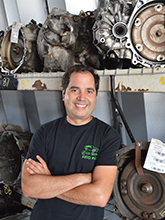
Carlos Barboza is the owner of Eco Green Auto Parts, Orlando, FL. Their website is https://ecogautoparts.com and they can be found on Facebook @ecogreenautoparts.